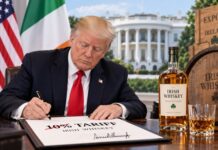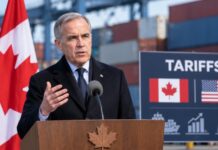

The Trump administration has introduced a proposal for a 25% tariff on Brazilian imports, citing what it describes as unfair and restrictive trade practices by Brazil. This initiative comes in the wake of an investigation carried out under Section 301 of the U.S. Trade Act of 1974. In response, Brazilian President Luiz Inácio Lula da Silva has voiced strong opposition to the proposed tariffs, suggesting that Brazil might retaliate with its own measures should the tariffs be enacted.
Amidst these tensions, the Brazilian government remains engaged in ongoing discussions with U.S. officials, expressing hope that these talks could prevent the imposition of new trade barriers. The proposed tariffs have sparked a significant reaction due to the existing trade dynamics between the two nations. In 2024, the U.S. reported a goods trade surplus of over $14 billion with Brazil. During this period, U.S. exports to Brazil reached $54.4 billion, while Brazilian exports to the U.S. decreased to $39.9 billion. The U.S. also holds a substantial surplus in services trade with Brazil, highlighting the intricate economic ties between the countries.
The tariff proposal notably exempts several major Brazilian exports, including aircraft and certain critical minerals, recognizing their importance to both countries’ economies. A public hearing on the matter is set for July 6, providing a platform for stakeholders to express their views and potentially influence the outcome.
President Lula has indicated that Brazil would explore alternative markets if the U.S. market becomes less accessible due to these tariffs. With China being Brazil’s largest trading partner, Lula’s remarks underscore the potential for Brazil to pivot its trade focus eastward if necessary. The situation remains fluid as both nations navigate the complexities of international trade relations.