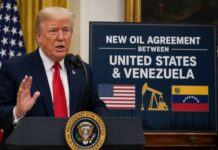
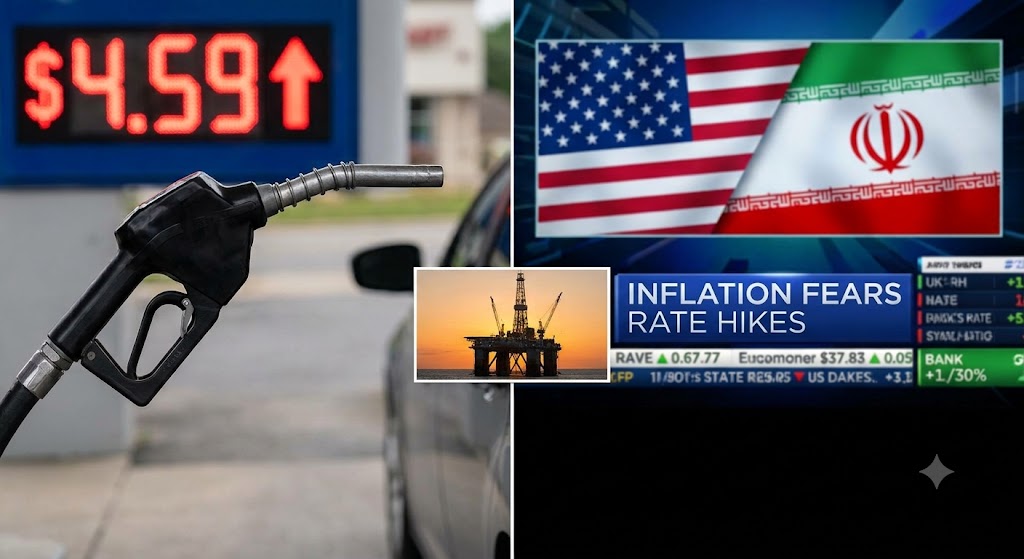
Oil and gas prices soared globally as tensions escalated following renewed military confrontations between the United States and Iran, sparking fears over potential disruptions in energy supply and rising inflation. Brent crude experienced a significant spike, reaching its highest point in over a month before retreating after U.S. President Donald Trump decided against implementing a proposed 20% fee on ships navigating the pivotal Strait of Hormuz.
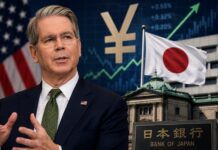
The increase in energy costs has heightened speculation that central banks, such as the Bank of England and the European Central Bank, might consider raising interest rates later in the year to address inflationary pressures. This development led to a rise in bond yields, while European stock markets initially took a hit before rebounding as worries about the proposed shipping levy dissipated.
Analysts warn that ongoing unrest in the Middle East could maintain volatility in energy markets, which may subsequently impact global inflation trends and monetary policy decisions in the upcoming months. The region’s geopolitical landscape remains a focal point for investors and policy-makers alike, as any further escalation could have significant repercussions on global economic stability.
The initial shockwaves from the conflict-induced price jump underscored the precarious nature of the current geopolitical climate and its influence on market dynamics. As energy prices continue to be a critical component of economic forecasts, central banks around the world remain vigilant, ready to adjust their strategies should the situation further deteriorate.