
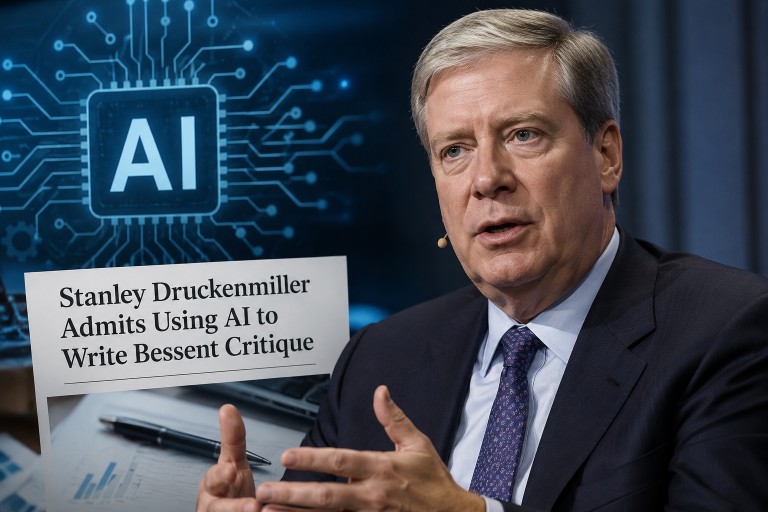
Billionaire investor Stanley Druckenmiller recently disclosed that he utilized artificial intelligence to assist in crafting an opinion piece that critiques US Treasury Secretary Scott Bessent’s strategy towards the bond market. Despite incorporating AI in the writing process, Druckenmiller emphasized that the core ideas and arguments presented in the article were entirely his own. He expressed satisfaction in leveraging the technology as a tool to enhance his writing.
The publication that featured Druckenmiller’s article defended its integrity, highlighting that the primary concern was to ensure the contributor’s original viewpoints and arguments were faithfully conveyed. This revelation has stirred discussions on the role of artificial intelligence in journalism and opinion writing, especially concerning issues of authorship, transparency, and adherence to editorial standards.
The use of AI by prominent figures like Druckenmiller in opinion pieces raises questions about the evolving landscape of journalism and the extent to which technology influences content creation. As AI becomes more integrated into various industries, the debate over maintaining the authenticity and originality of human expression in writing continues to grow.
This incident adds to the broader conversation about the ethical considerations and potential implications of AI in the media. As AI tools become more sophisticated, the challenge remains to balance innovation with maintaining the trust and credibility that audiences expect from journalistic endeavors. The discourse surrounding AI and its place in journalism is likely to intensify as the technology advances and its applications become more widespread.