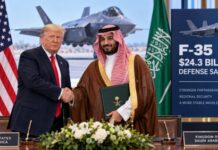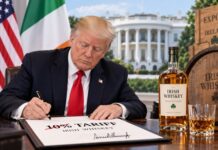
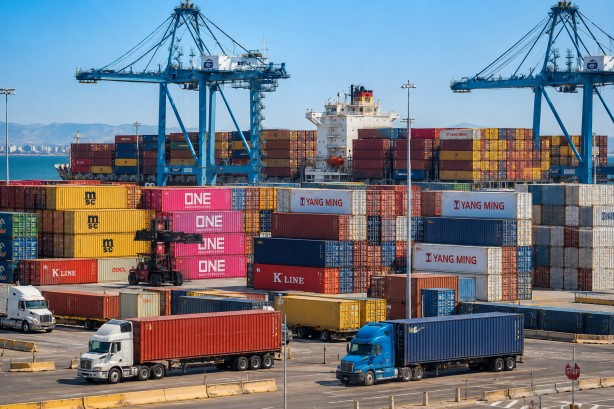
The United States government has returned approximately $100 billion collected in tariffs under former President Donald Trump’s trade policies, following a Supreme Court decision that deemed a substantial portion of these tariffs unlawful. This refund represents about 60% of the total $165 billion gathered before the court’s ruling. The tariffs were initially introduced as part of Trump’s trade strategy, which aimed to enhance domestic manufacturing, secure more favorable trade agreements, and boost government revenue.
In response to the judicial ruling, the administration has reimbursed the affected companies with the duties collected. Despite these refunds, the federal budget deficit continues to grow, reaching $1.37 trillion in the first nine months of the fiscal year. This ongoing deficit highlights the financial challenges the government faces, even as it attempts to navigate the repercussions of the court’s decision.
Last month, in a move that has sparked further controversy, the Trump administration imposed a new set of tariffs ranging from 10% to 12.5% on imports from over 80 countries. These nations include major trade partners such as India, China, the United Kingdom, Canada, Mexico, Australia, and the European Union. The administration justified these tariffs by citing concerns related to products associated with forced labor.
The latest round of tariffs has not gone unchallenged. A coalition of 25 U.S. states has mounted legal opposition, seeking to prevent the implementation of these measures. They argue that these new tariffs unlawfully replace those previously invalidated by the Supreme Court. As these legal battles unfold, the future of trade policy and its economic implications remain uncertain.