
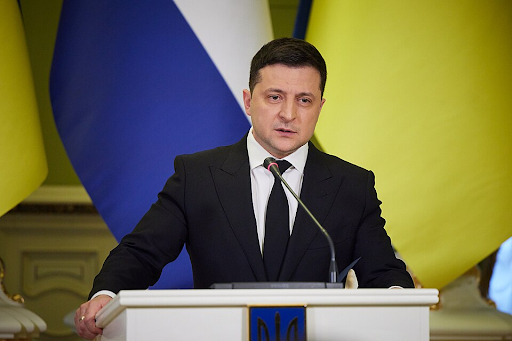
President Volodymyr Zelenskyy revealed that he personally placed calls to the leaders of five Gulf and Middle Eastern nations — the UAE, Qatar, Bahrain, Jordan, and Kuwait — to discuss drone defense cooperation as part of the effort to counter Iranian Shahed attacks in the region. The personal nature of the outreach underscores the seriousness with which Zelenskyy views both the regional threat and the opportunity it presents for Ukraine.
Zelenskyy described these conversations as substantive, focusing on the practicalities of defense cooperation and the strategic alignment between Ukraine’s interests and those of Gulf nations threatened by Iranian drone power. He confirmed that alongside these Gulf conversations, a formal US request for drone defense assistance had been received and fulfilled, with orders given for equipment and Ukrainian technical specialists to be dispatched.
The presidential-level engagement reflects Ukraine’s deliberate approach to building defense partnerships at the highest political levels. By conducting the outreach himself, Zelenskyy ensures that these relationships carry political weight and that any commitments made are backed by the full authority of the Ukrainian state.
The substance behind these high-level conversations is Ukraine’s unmatched expertise in countering Shahed drones. Four years of sustained attacks from Russia — including a single night barrage of over 800 drones — produced an engineering culture and operational capability that has developed interceptors costing as little as $1,000 per unit. This expertise is now being brought directly to the Gulf through Zelenskyy’s personal diplomacy.
Zelenskyy connected his Gulf outreach to Ukraine’s core diplomatic goals, noting that assistance flows to nations that support Ukraine’s security and peace efforts. He acknowledged the disruption of the Iran crisis to peace negotiations, but expressed confidence that the high-level relationships being built through his personal engagement with Gulf leaders will prove durable and valuable as the diplomatic situation evolves.