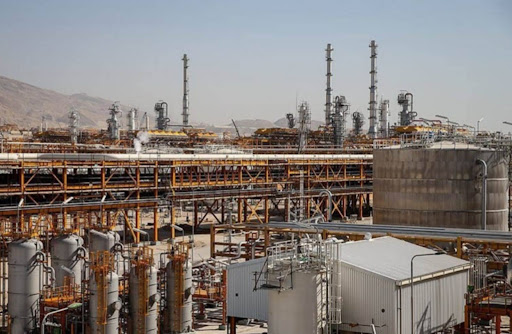
Global energy markets were shaken to their core on Wednesday after Iran ordered evacuations at Gulf energy facilities in Saudi Arabia, the UAE, and Qatar, warning of imminent strikes following an Israeli attack on the South Pars gasfield. The Revolutionary Guards issued the warning alongside a list of specific targets. Oil prices surged toward $110 a barrel as the threat of a full-scale energy infrastructure war became frighteningly real.
South Pars, the world’s largest natural gas reserve, is shared between Iran and Qatar and has been the cornerstone of Iran’s gas economy throughout the conflict. The Israeli strike on the field — reportedly authorized by the US — was the first time Iran’s fossil fuel infrastructure had been directly targeted. Both Washington and Tel Aviv had previously avoided this step, knowing it could set off a chain reaction with devastating consequences for global energy markets.
Iran’s state broadcaster named the Samref refinery and Jubail complex in Saudi Arabia, al-Hosn gasfield in the UAE, and Mesaieed and Ras Laffan in Qatar as targets. All personnel were urged to leave immediately. The governor of Asaluyeh province called the US-Israeli attack “political suicide” and declared the war had entered a full-scale economic phase that would have far-reaching consequences.
Brent crude rose to $108.60 a barrel, nearly 5% higher than the previous session. European gas prices climbed more than 7.5% to over €55.50 per megawatt hour. Gulf oil exports had already collapsed 60% from pre-war levels, a consequence of infrastructure damage and Iran’s stranglehold on the Strait of Hormuz. Iran had continued exporting its own crude through the strait unimpeded, while Gulf neighbors struggled to move any oil at all.
Qatar’s government spokesperson called for international protection of energy infrastructure, warning that attacks on these sites endangered global energy security and the environment. The conflict had crossed into territory that threatened not just the Gulf region but the entire global economy. With specific targets named, evacuation orders issued, and oil prices climbing, the world faced an energy crisis of historic proportions — and Iran’s clock was still running.