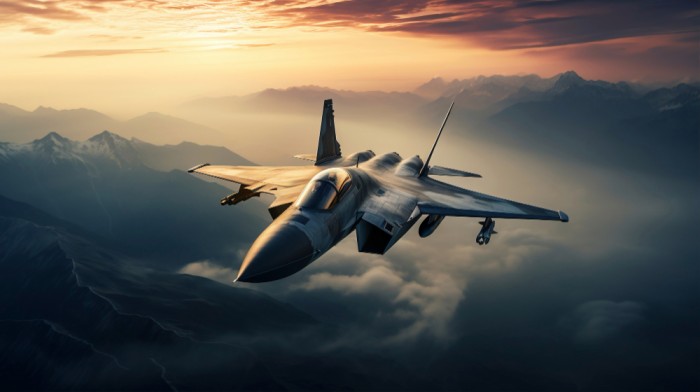
The United States has initiated a new series of military strikes against Iran, escalating tensions surrounding the vital Strait of Hormuz. These latest actions targeted key Iranian military facilities, with U.S. officials asserting that the goal was to diminish Iran’s capacity to threaten commercial shipping and international maritime routes in the area.
President Donald Trump emphasized that the strikes were a necessary measure to hold Iranian forces accountable. In response, Iran fiercely criticized the attacks, claiming they have derailed recent diplomatic efforts and rendered negotiations ineffective. These developments follow Iran’s missile and drone assaults on U.S. military installations in several Gulf nations and its decision to impose renewed restrictions on movement through the Strait of Hormuz. Iranian authorities have stated that shipping will remain constrained until regional stability is re-established.
The recent spike in hostilities has heightened global concerns about security in the Strait of Hormuz, a critical conduit for a substantial portion of the world’s oil and liquefied natural gas exports. The escalating conflict has already led to an increase in global oil prices, driven by fears of a prolonged disruption in this strategically significant energy corridor.
Despite these rising tensions, the United States has reiterated its commitment to safeguarding freedom of navigation and ensuring the safe passage of commercial vessels in the region. The situation remains volatile as international observers watch closely for any further developments in this high-stakes geopolitical conflict.