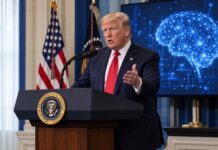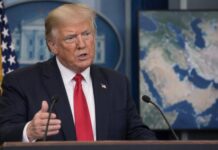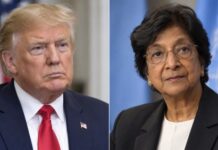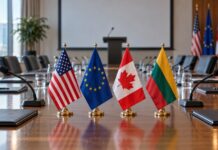
US President Donald Trump has deferred implementing a new set of sanctions against Russia, a decision that coincides with increasing tensions with Ukrainian President Volodymyr Zelenskyy. The sanctions, which were originally scheduled to take effect on October 18, focus on Russian officials, banks, and oil tankers involved in transporting energy supplies from Russia. This legislative package, which received bipartisan support in Congress and was backed by the late Senator Lindsey Graham, aims to limit Moscow’s energy revenue and apply economic pressure on the Kremlin in response to its military actions in Ukraine.
Trump’s waiver of the sanctions has sparked criticism from a bipartisan group of US senators who are urging the President to enforce the measures. Compounding the controversy, Trump recently announced an agreement for Russia to supply the United States with diesel, starting with over 300,000 metric tons, followed by additional shipments. This arrangement has raised concerns about the consistency of US policy towards Russia, especially as it might provide financial benefits to Moscow during its ongoing conflict with Ukraine.
President Zelenskyy has openly criticized the diesel deal, arguing that the proceeds could potentially support Russia’s war efforts. Meanwhile, Trump has placed blame on Ukraine’s leadership, accusing them of contributing to increased energy prices through their attacks on Russian oil refineries. As midterm elections approach in the US, energy costs and foreign policy are becoming significant issues for the Trump administration.
In South Carolina, the decision not to proceed with the sanctions is also drawing attention as Darline Graham, sister of the late Senator Graham, campaigns for a full Senate term. She has expressed support for the legislation while acknowledging the President’s authority in deciding how to execute its provisions.
The situation leaves the future of the sanctions uncertain, with questions lingering over whether the US will eventually choose to enforce them or continue to focus on other strategies to curb energy prices and address the conflict in Ukraine.