
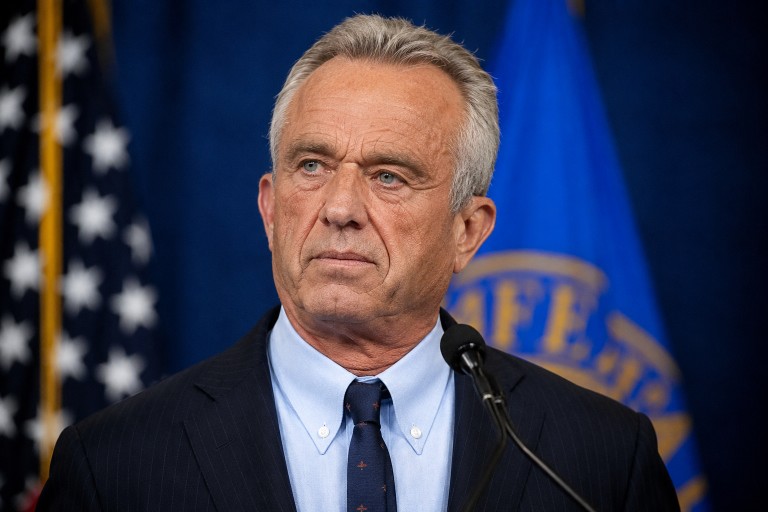
Amidst concerns from experts, U.S. Health Secretary Robert F. Kennedy Jr. has made a call for enhanced Alzheimer’s disease screening, emphasizing the critical importance of early detection. However, the path to achieving this goal faces obstacles, particularly due to the inactivity of a crucial federal advisory panel. This panel, charged with assessing preventive health strategies, has been unable to convene for more than a year, stalling potential progress in this area.
Researchers highlight the lack of a widespread agreement on conducting routine Alzheimer’s screening for individuals without symptoms. They insist that more comprehensive scientific data is necessary before such screenings can be broadly recommended. The consensus within the scientific community underscores the need for ongoing research to develop reliable screening methods that could be implemented effectively.
Further complicating advancements are disruptions in funding and subsequent delays in research programs, which have hampered the development of new diagnostic tools. Among these are promising blood-based biomarkers which hold potential for earlier Alzheimer’s detection. Despite the availability of some new tests for diagnosing patients who already exhibit symptoms, experts warn these tests are not yet appropriate for routine use across the general population.
In response, health officials assert that the U.S. government remains committed to supporting Alzheimer’s research, alongside initiatives aimed at enhancing diagnosis, treatment, and patient care. Yet, researchers continue to stress the necessity of stable funding and policies grounded in evidence-based decisions to propel advancements in understanding and managing Alzheimer’s disease.