President Donald Trump announced that Iran has agreed to engage in peace talks in Doha, even as tensions between the two nations have flared up in the Strait of Hormuz. Trump took to social media to reveal that the meeting comes in the wake of recent retaliatory attacks, which have threatened to disrupt efforts to maintain a ceasefire in the strategically significant shipping lane. Although the U.S. President claimed that Iran had initiated the request for talks, Iranian officials subsequently denied that any formal negotiations had commenced.
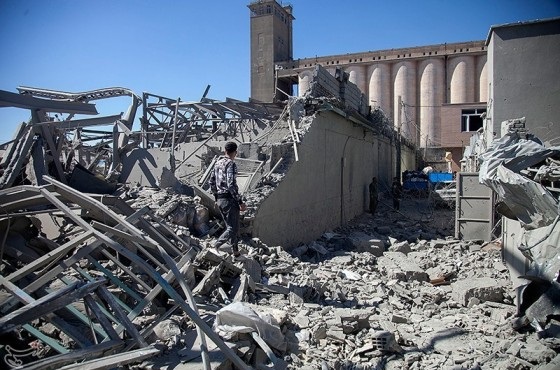
A spokesperson from Iran’s Foreign Ministry clarified that discussions with the United States had not yet progressed to the stage of final agreement negotiations, and that no direct meetings were scheduled. This statement was made as both nations sought to de-escalate after a spate of military exchanges. The recent surge in tensions was sparked by an assault on a commercial vessel in the Strait of Hormuz, prompting U.S. forces to execute strikes on Iranian military-linked sites. In response, Iran launched missile and drone attacks on U.S. positions in the region.
In a bid to curb further hostilities and pave the way for potential negotiations, the U.S. has indicated a pause in military actions. The anticipated discussions are likely to address issues of regional security, continued access to shipping routes through the Strait of Hormuz, and broader diplomatic concerns.
Meanwhile, in Lebanon, tensions persist as Israel and Hezbollah remain embroiled in disputes over border security and armament. Lebanese authorities have announced plans to bolster military presence along the southern border in an effort to stabilize the area.