
A fundamental conflict of timelines is defining the current standoff. The West, led by France, is focused on planning for a “postwar” Ukraine. Russia, however, is focused on fighting and winning the war in the “now,” and is using threats to ensure the “postwar” reality aligns with its interests.
The Western timeline is sequential and hopeful. It assumes a sequence of events: first, the conflict stops; second, a peace deal is signed; third, a security force is deployed. This is a planner’s approach, based on a desired future state.
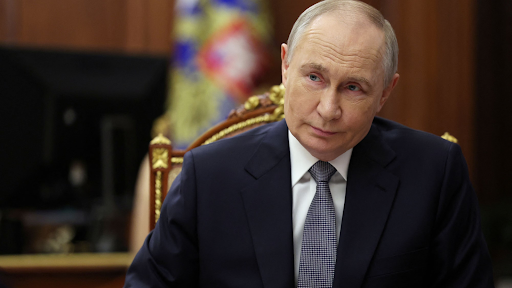
Russia’s timeline is immediate and aggressive. Putin is not waiting for the war to end to shape the peace. He is acting now to deter the future deployment he opposes. His threat against a postwar force is a tool being used in the current war, aimed at demoralizing Ukraine and dividing its allies in the present moment.
This temporal disconnect gives Russia a strategic advantage. While the West deliberates about a hypothetical future, Russia is taking concrete rhetorical action that impacts the present. It is a reminder that in warfare, the side that controls the “now” is often the one that gets to dictate the “later.”