
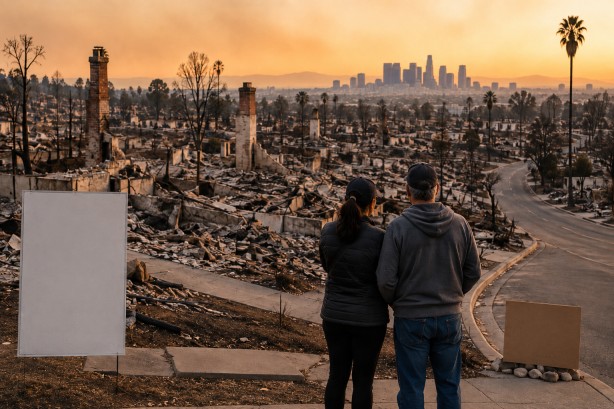
Survivors of the catastrophic wildfires that swept through Los Angeles in January 2025 are still waiting for over $15 billion in federal recovery aid, nearly 600 days after the fires ravaged the region, destroying more than 16,000 structures. This delay marks the longest wait for major federal disaster recovery funding in recent U.S. history, even longer than the approximately 500-day delay experienced by victims of the 2023 Maui wildfires.
The fires claimed 31 lives and left a trail of destruction that included homes, businesses, schools, and other community facilities. As the financial strain of rebuilding mounts, many survivors remain displaced. A survey of over 2,000 fire victims indicated that by late July, approximately two-thirds were still without permanent housing. Nearly half of those surveyed had incurred debt to meet living expenses, and around 20% had postponed reconstruction or repairs due to financial constraints. Homeowners are currently facing an average funding shortfall of about $500,000 for rebuilding.
California has requested substantial federal assistance, seeking around $10.5 billion for housing and infrastructure, $179 million for business recovery, and nearly $3 billion for the restoration of damaged public facilities such as schools, libraries, parks, and senior centers. State officials and disaster recovery advocates have been urging the Trump administration to expedite the release of these funds, emphasizing that prolonged delays are hindering community recovery efforts.
Critics have accused the administration of politicizing disaster assistance and imposing restrictive conditions on states requesting federal support. This has led to legal challenges regarding the administration’s management of disaster funding. As the second anniversary of the fires approaches, many survivors continue to live in temporary accommodations while grappling with the escalating costs of rebuilding.
California officials are intensifying their pressure on Washington to approve the requested funds, aiming to prevent the recovery process from lagging further behind. With the anniversary looming, the urgency for federal assistance remains critical to help the affected communities rebuild and move forward.