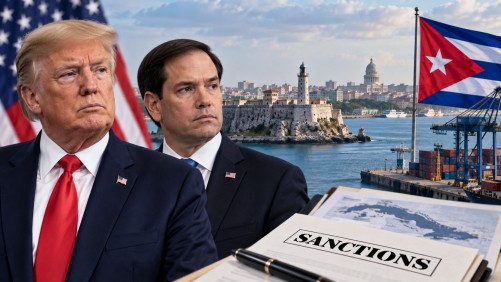
The expansion of U.S. sanctions on Cuba under the Trump administration is reshaping business dynamics on the island, with American investors and political allies seeking opportunities amid the economic pressure. As sanctions have intensified, foreign companies, particularly in sectors like mining and tourism, are pulling back, creating a vacuum that U.S. entities are eager to fill.
A key area of interest is the mining industry. Sherritt International, a Canadian company, has faced increased pressure regarding its operations in Cuba. In response, two American groups have reportedly made competing bids to acquire Sherritt’s stake in a nickel and cobalt venture on the island. These proposals involve Ray Washburne, a businessman with ties to Trump, and Texas investor Albert Huddleston, who also maintains connections with the White House.
In parallel, Antilles Gold of Australia is negotiating to transfer its interests in a Cuban copper-gold project to Global Emerging Markets, a U.S. investment firm, following sanction-related challenges. This reflects a broader trend where U.S. businesses are exploring opportunities in sectors previously dominated by international players facing new hurdles.
The tourism and real estate sectors in Cuba are also attracting interest from U.S. executives, particularly those linked to the Trump Organization. As European hotel companies reduce their activities, these American executives are reportedly scouting potential ventures on the island, eyeing opportunities in hospitality and property development.
Additionally, the logistics and trade sectors are experiencing shifts. Oil exports from Florida and Texas to Cuba’s private sector have surged, and Florida-based shipping companies are gaining from the complications international carriers encounter due to the sanctions.
Political and economic shifts are anticipated by Cuban-American groups as well. They are preparing for potential changes on the island that could attract significant private investment from Cuban exiles, fostering discussions on how to effectively channel such investments if a political transition occurs.
These developments underscore the growing competition among U.S. investors and political figures to influence Cuba’s economic landscape as the island navigates the increasing pressure from Washington. This evolving situation marks a potential turning point for Cuba’s engagement with American businesses and investors.