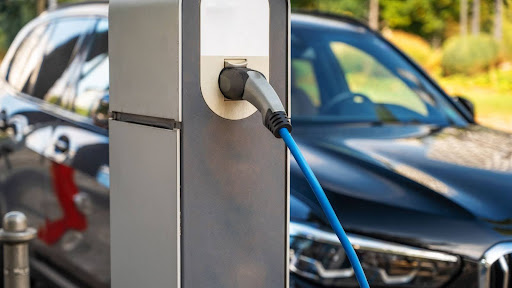
The Iran conflict is delivering an education in energy vulnerability to American consumers — one measured in dollars at the gas pump. Gasoline has climbed to $3.90 per gallon nationally, the highest average in nearly three years, as Iran’s closure of the Strait of Hormuz disrupts global oil supplies. The lesson is landing. EV searches have risen 20 percent in three weeks according to CarEdge, as drivers begin connecting their fuel costs to the fragility of oil-dependent transportation.
The disruption followed a clear sequence. US and Israeli military operations against Iran prompted that country to close the Strait of Hormuz — a critical passage for roughly one-fifth of global oil trade. The closure tightened supply expectations in commodity markets, pushed crude prices higher, and delivered those higher costs to American consumers within days. The speed and directness of the impact has made the connection between global oil dependence and personal financial vulnerability unusually vivid for many drivers.
CarEdge analyst Justin Fischer described the consumer response as both immediate and measurable. EV search activity jumped within 48 hours of the conflict beginning, he said, and the trend has persisted. Edmunds’ Jessica Caldwell noted that the experience of paying $3.90 per gallon repeatedly and publicly is one of the most effective possible reminders of energy vulnerability — a lived financial reality rather than an abstract policy concern.
The used EV market offers a practical path for consumers moved by that lesson. Pre-owned electric models from Tesla, Chevrolet, and Nissan are now available below $25,000, providing an accessible alternative to continued dependence on gasoline pricing subject to geopolitical disruption. Caldwell said the affordability of used EVs has reached a level where the practical arguments for switching are genuinely compelling for a broad range of American buyers.
The broader lesson — that US transportation infrastructure remains deeply exposed to international oil market disruptions — is one that EV advocates and energy security experts have been sounding for years. The Iran conflict has delivered it with unusual clarity and personal financial impact. Whether American consumers, policymakers, and manufacturers take that lesson to heart in ways that produce lasting change is the question that will define the next phase of US energy and transportation policy.