
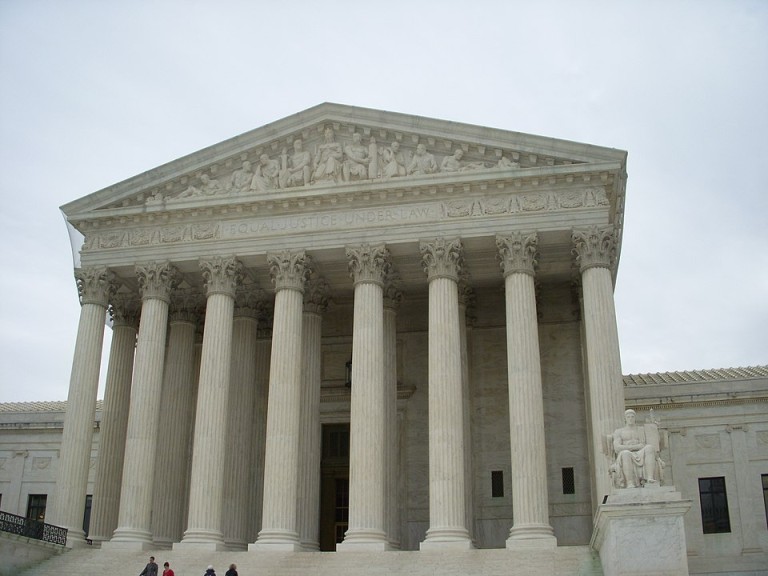
The Supreme Court of the United States has affirmed the authority of the Federal Communications Commission (FCC) to levy fines through its own enforcement mechanisms, a decision that marks a significant legal win for the agency. This 8-1 ruling comes as a setback for telecom giants AT&T and Verizon, who challenged the FCC’s procedures on the grounds that they infringed upon their constitutional right to a jury trial. Chief Justice John Roberts delivered the majority opinion, while Justice Clarence Thomas stood alone in dissent.
The controversy revolved around penalties imposed by the FCC on major wireless carriers, including fines of approximately $57 million against AT&T and nearly $47 million against Verizon. These penalties were related to allegations that these companies permitted third-party access to customer location data without acquiring the necessary user consent. The telecom companies contended that the FCC’s internal enforcement system denied them the opportunity to have such matters resolved by a jury.
Despite these objections, the Supreme Court concluded that the FCC’s internal procedures do not preclude the companies from subsequently contesting the penalties in federal court. This position effectively supports the FCC’s administrative processes, allowing the agency to continue assessing penalties within its framework before any potential legal challenges in a higher court.
This ruling underscores the FCC’s capacity to enforce data privacy regulations through its administrative channels, reinforcing the federal government’s stance on the authority of regulatory bodies. It highlights the judiciary’s backing of the FCC’s ability to impose financial sanctions on companies that breach data privacy rules, thus upholding consumer protection efforts.