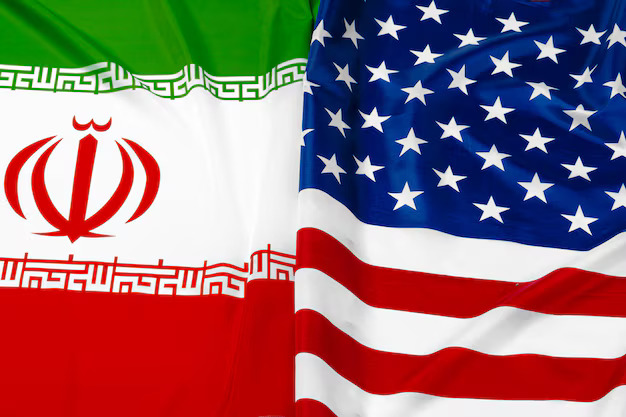
The United States and Iran have brokered a peace agreement designed to end nearly four months of conflict in the Middle East, with senior officials from both nations confirming the accord. Central to the agreement is an immediate cessation of military activities across all theaters, including Lebanon. As a part of this pivotal deal, President Donald Trump has announced that the Strait of Hormuz, a vital artery for global maritime trade, is set to reopen, a move poised to facilitate the resumption of international oil shipments and alleviate tensions in global energy markets. However, there remains ambiguity regarding the precise timeline for the full restoration of access to the strait, as differing statements from the involved parties suggest.
The agreement envisions a formal signing ceremony slated for June 19 in Geneva. It encompasses the lifting of U.S. naval restrictions and plans to reestablish commercial shipping routes through the Strait of Hormuz. This development is anticipated to provide Iran with expanded access to international oil markets, offering a much-needed boost to its beleaguered economy. The agreement also outlines a 60-day negotiation period to address more intricate issues, such as Iran’s nuclear program, with the aim of forging a broader, more comprehensive accord.
This diplomatic achievement comes in the wake of heightened tensions in Lebanon, where recent Israeli military actions had cast uncertainty over the stability of ongoing negotiations. Iran had been adamant that any agreement must encompass all regional conflicts, including the situation involving Hezbollah in Lebanon. While the peace deal is hailed as a significant diplomatic victory, experts remain cautious about its potential to resolve deeply entrenched disputes within the proposed timeline.
Despite the optimism surrounding the reopening of the Strait of Hormuz and its expected positive impact on global energy markets, experts caution that restoring full-scale shipping operations and repairing infrastructure damaged by conflict could be a protracted process. Moreover, enduring concerns linger over regional security, particularly regarding Iran’s missile program and its support for allied groups across the Middle East.