
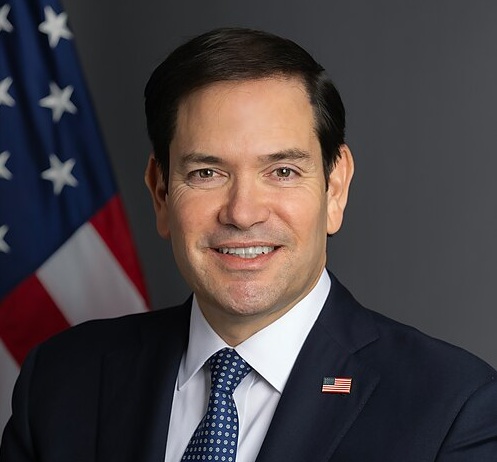
US Secretary of State Marco Rubio commenced a four-day visit to India on Saturday, aiming to fortify strategic alliances and enhance cooperation across various sectors, including trade, defense, energy, and technology. The trip highlights growing collaboration between the two nations as they seek to address regional and global challenges.
Rubio’s itinerary includes bilateral discussions with India’s External Affairs Minister S. Jaishankar and a meeting with Prime Minister Narendra Modi in New Delhi. His visit coincides with the upcoming Quadrilateral Security Dialogue, which brings together foreign ministers from India, the United States, Japan, and Australia to deliberate on security matters in the Indo-Pacific region. Key topics on the agenda include defense partnerships, critical technology developments, and maintaining resilient supply chains in light of China’s expanding influence.
Trade relations are expected to be a focal point, particularly following tensions arising from former President Donald Trump’s tariff policies affecting Indian exports. Both nations are poised to explore avenues for bolstering economic cooperation and alleviating trade disputes. Energy security is another critical area of discussion, with the United States keen on increasing its exports of crude oil and LNG to India, even as India continues to procure discounted oil from Russia.
Defense collaboration remains a cornerstone of US-India relations. India operates several American-made defense systems, including Boeing P-8 Poseidon aircraft, MQ-9B SkyGuardian drones, M777 howitzers, and C-17 Globemaster III transport aircraft. Talks are expected to delve into joint production ventures and partnerships in advanced defense and space technologies.
During his visit, Rubio will also travel to various Indian cities, including Kolkata, Agra, and Jaipur, alongside his engagements in New Delhi. In Kolkata, a stop is planned at the Missionaries of Charity headquarters, an organization founded by Mother Teresa, underscoring the cultural and humanitarian aspects of the bilateral relationship.