
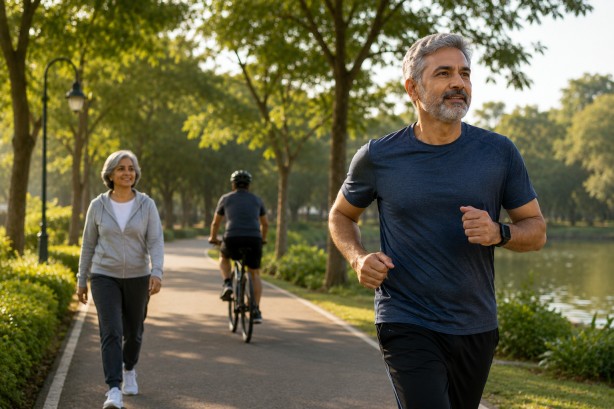
Engaging in regular physical activity might not only enhance fitness levels but also significantly reduce the risk of stroke and premature mortality, according to a recent study that delves into the long-term health impacts of exercise. The research focused on individuals with and without atrial fibrillation (AFib), a prevalent heart rhythm disorder characterized by an irregular heartbeat. Over approximately 13.5 years, researchers tracked participants to explore the correlation between varying degrees of physical activity and the incidence of stroke and mortality rates.
Key findings from the study reveal that even minimal physical activity can yield substantial health benefits. Participants who maintained an active lifestyle exhibited up to a 19% reduction in stroke risk and up to a 22% decrease in the likelihood of dying from any cause compared to their less active counterparts. This underscores the potential of physical activity in enhancing overall health and longevity, especially for those dealing with AFib.
For individuals with atrial fibrillation, the study highlighted a notable connection between increased physical activity and extended life expectancy. Depending on their level of engagement in physical activities, those with AFib could potentially gain between 0.50 and 1.15 additional years of life. Specifically, low activity levels were associated with gaining about 0.50 years, moderate levels with approximately 0.66 years, and high activity levels with up to 1.15 years.
Atrial fibrillation is known to elevate the risk of blood clots and stroke, making cardiovascular health a critical concern for those afflicted. The research emphasizes that physical activity doesn’t necessarily entail intense workouts or endurance sports. Simple activities such as walking, cycling, swimming, or even regular household chores can contribute to a more active lifestyle. The essence is to minimize prolonged periods of inactivity and gradually incorporate more movement into daily routines.
Overall, the study suggests that some level of physical activity is preferable to none, with higher levels offering further benefits for sustained health and increased longevity. The findings advocate for a shift towards more dynamic lifestyles, encouraging individuals to find manageable ways to integrate physical movement into their everyday lives for better health outcomes.