
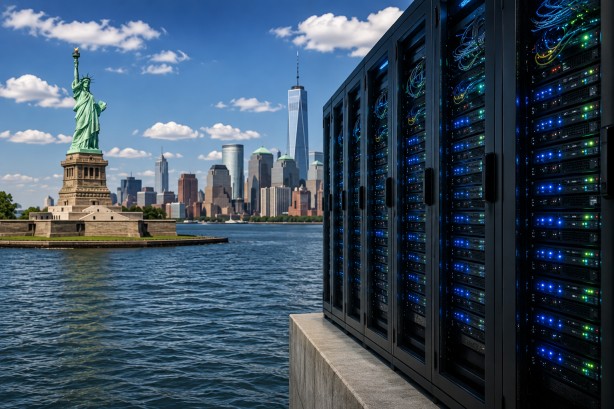
New York has taken a pioneering step by becoming the first U.S. state to implement a one-year halt on approving new large-scale data centers designed for artificial intelligence systems. Governor Kathy Hochul has enacted an executive order that temporarily stops the permitting process for new “hyperscale” data centers with an electrical capacity exceeding 50 megawatts. This decision is aimed at addressing mounting concerns about escalating energy costs, potential environmental impacts, and the strain on natural resources.
Governor Hochul explained that this pause will allow state regulators to formulate stricter standards addressing energy consumption, water usage, environmental protection, and the effects of data centers on local communities. She emphasized that the rapid expansion of data centers could lead to increased utility bills, strain energy infrastructure, and disrupt natural resources, especially water supplies. The moratorium is set to last for up to a year as the state works on a new regulatory framework.
In addition to the moratorium, New York is considering proposals that would require large data centers to either produce their own energy or face higher energy costs. This measure aims to prevent additional financial burdens from being transferred to residents. Across the United States, public concern over the proliferation of AI-related infrastructure is growing, with several states debating restrictions on new data center developments due to worries about rising electricity prices, environmental harm, and land use issues.
Hochul stressed the importance of ensuring that future data centers are only constructed in communities that are supportive of such projects and reaffirmed the necessity for these centers to adhere to local zoning regulations. She also highlighted the state’s intention to guarantee that communities hosting major facilities receive significant economic benefits. The executive order is part of broader efforts in New York to regulate AI infrastructure, coinciding with ongoing legislative discussions on additional rules concerning transparency, energy efficiency, and environmental safeguards.