
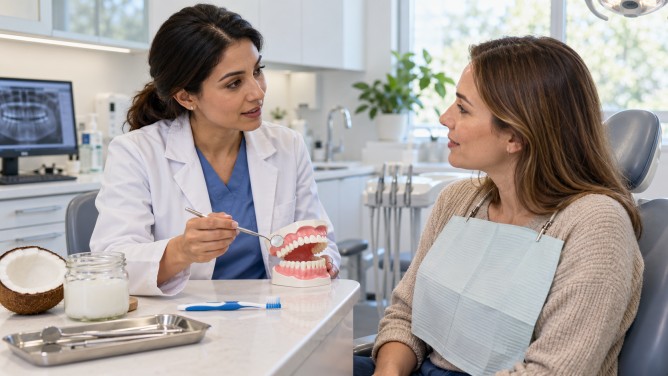
A brighter smile is a common aspiration, but many popular dental care trends touted online may not be as safe or effective as advertised. Practices like using charcoal toothpaste, coconut oil pulling, and homemade baking soda mixtures often come with claims lacking strong scientific backing. Understanding the facts behind these myths can help protect your teeth from unnecessary damage and maintain overall oral health.
One myth suggests that charcoal toothpaste is the best way to whiten teeth, but evidence for its efficacy is limited. While it might remove surface stains, the abrasiveness of charcoal can wear down enamel, leading to increased sensitivity and exposure of the yellowish dentin underneath. Instead, using fluoride toothpaste for daily brushing and consulting a dentist for safe whitening options is advisable.
Coconut oil pulling is another trend that claims it can replace brushing. However, while some research hints at certain oral health benefits, there is insufficient evidence to support its effectiveness in preventing cavities or whitening teeth. Brushing twice daily with fluoride toothpaste and cleaning between teeth should remain the primary oral hygiene practices.
Homemade baking soda mixtures are often perceived as safe, yet they lack the balance of ingredients found in commercial toothpastes designed for daily use. Plain baking soda doesn’t contain fluoride, which is crucial for strengthening enamel, and mixing it with acidic substances like lemon juice can exacerbate enamel erosion. It’s better to use fluoride toothpaste and consult with a dentist for suitable whitening products.
LED whitening kits available online are marketed as superior, but their effectiveness depends on various factors, including ingredient quality and application method. While some at-home whitening products can be effective, LED lights do not inherently enhance results and improper use can cause gum irritation. Consulting a dentist before trying any whitening treatment is recommended, particularly for those with sensitive teeth or gum disease.
Additionally, the belief that professional teeth cleaning makes teeth permanently whiter is misleading. While it removes plaque and stains, it doesn’t change the natural tooth color. For deeper discoloration, other treatments may be necessary, and a dentist can guide appropriate options based on individual oral health.
Maintaining good oral health doesn’t require following every online trend. Consistent, evidence-based habits—such as brushing twice daily with fluoride toothpaste, cleaning between teeth, and scheduling regular dental check-ups—are more effective for a healthy smile. It’s important to seek professional guidance before attempting any new or aggressive dental treatments.