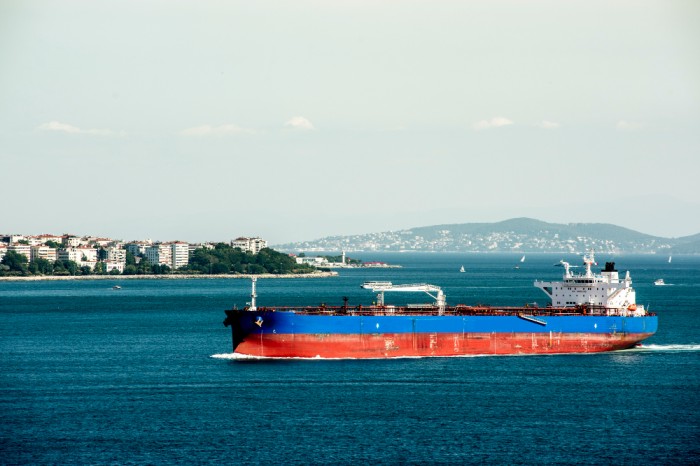
Global oil prices have once again climbed above $100 per barrel following recent U.S. military actions against Iranian targets, casting doubt on the prospects for a swift resolution to tensions in the Middle East. The renewed conflict has intensified concerns over potential disruptions in the Strait of Hormuz, a vital corridor for the world’s energy shipments. Brent crude surged past the $100 threshold after reports emerged of U.S. strikes on missile facilities and ships suspected of laying mines near this crucial maritime passage.
Previously, oil prices had dipped below the $100 mark amid hopes for a diplomatic breakthrough between the United States and Iran. However, with ongoing hostilities and uncertainty surrounding negotiations, the market has once again been driven upward. The persistent conflict, coupled with restrictions on shipping through the Strait of Hormuz, has already significantly impacted global oil exports. Analysts caution that the energy market might have reached a critical juncture, with supply disruptions anticipated to persist even if a political settlement is eventually reached.
Experts highlight a sharp decline in global oil reserves following weeks of reduced exports from Gulf nations. As the summer travel season approaches, demand for fuel is expected to rise, adding further strain to already constrained supplies. The International Energy Agency has issued a warning that global oil consumption could soon outpace production, potentially plunging energy markets into a precarious “red zone” during July and August.
Saudi Aramco, the state oil company of Saudi Arabia, has reportedly cautioned that prolonged disruptions or closures of the Strait of Hormuz could affect oil supplies well into the next year. Financial institutions and market analysts have also expressed alarm over diminished emergency oil reserves and inadequate gas storage levels in Europe, predicting that energy prices could remain highly volatile in the forthcoming months.
The impact of rising crude prices is already being felt worldwide, with consumers facing increased fuel and energy costs. In the UK, petrol prices have reached their peak since the onset of the conflict, and household energy bills are anticipated to rise significantly due to higher gas prices. This ongoing situation underscores the broader economic challenges posed by the fluctuating energy market.